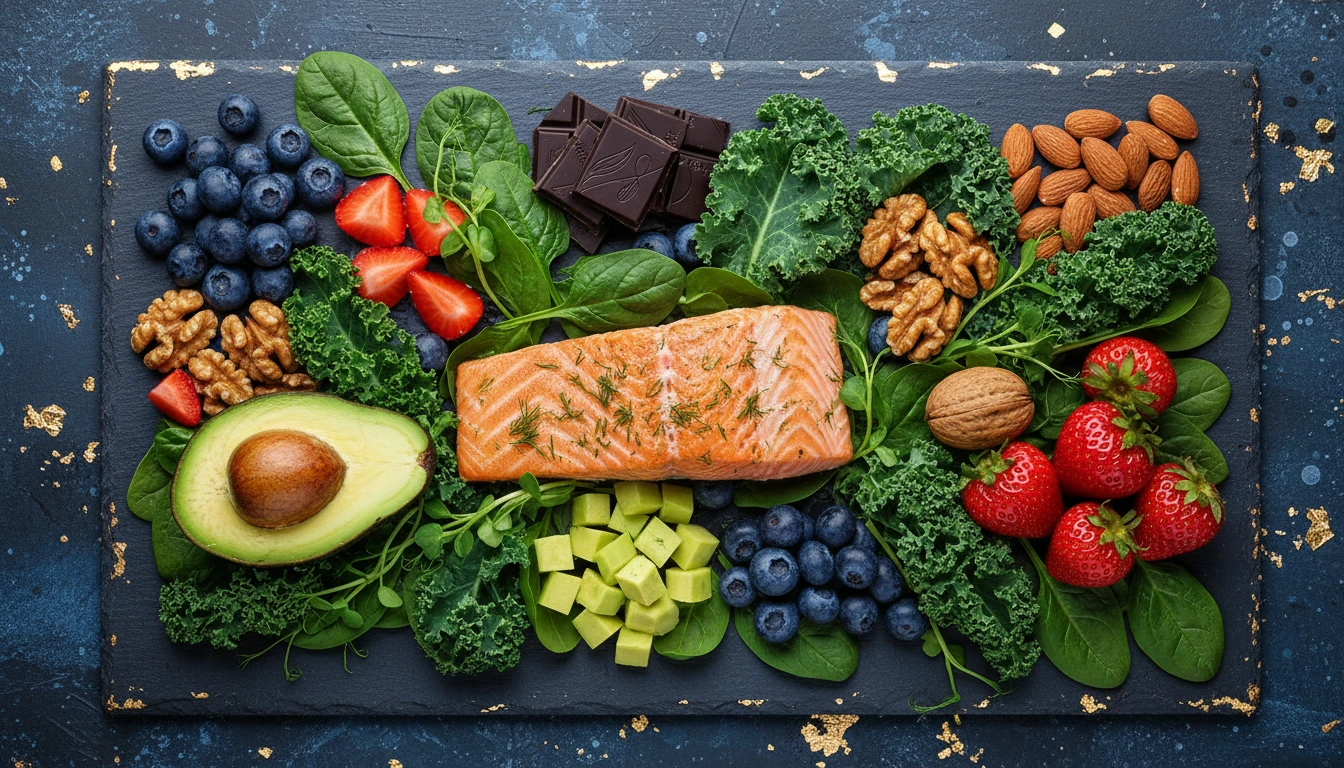
The brain is the most metabolically active organ in the body, consuming roughly 20% of the body's total energy despite accounting for only about 2% of body weight. Feeding it the right raw materials — consistently, over time — is one of the most direct ways to support its function.
While no single food or nutrient guarantees cognitive perfection, a growing body of research has identified specific nutrients that appear to play meaningful roles in supporting brain structure, function, and resilience. Here's what the evidence suggests.
Omega-3 Fatty Acids: DHA and EPA
Of all the nutrients linked to brain health, omega-3 fatty acids — particularly docosahexaenoic acid (DHA) — may have the strongest research backing. DHA is a structural component of brain cell membranes, especially in the cerebral cortex and the retina. It influences how efficiently neurons communicate and plays a role in synaptic plasticity — the ability of connections between neurons to strengthen or weaken over time, which is fundamental to learning and memory.
EPA (eicosapentaenoic acid), another omega-3 found primarily in fatty fish, is associated with reducing neuroinflammation and supporting mood regulation, which in turn affects cognitive performance. Research suggests that populations with high fish consumption tend to show better cognitive outcomes over time, though this association involves multiple dietary factors.
Good dietary sources of omega-3s include fatty fish (salmon, sardines, mackerel, herring), walnuts, flaxseed, and chia seeds. Those who don't eat fish regularly may benefit from algae-based DHA supplements, which provide the same form of DHA found in fish.
B Vitamins: The Brain's Energy Team
Several B vitamins play essential roles in brain metabolism and neurological function. B vitamins are water-soluble, meaning they are not stored in large amounts in the body — regular dietary intake matters.
Vitamin B12 (cobalamin) is critical for maintaining the myelin sheath that insulates nerve fibers and supports efficient signal transmission throughout the nervous system. B12 deficiency — which becomes more common with age due to reduced stomach acid and intrinsic factor — is associated with neurological symptoms including cognitive changes, fatigue, and mood shifts. B12 is found predominantly in animal products, making supplementation particularly relevant for vegetarians and vegans.
Folate (B9) works with B12 in the methylation cycle — a biochemical process that affects neurotransmitter synthesis, DNA repair, and gene expression. Adequate folate supports healthy homocysteine metabolism; elevated homocysteine has been associated in population studies with increased risk of cognitive concerns over time.
Vitamin B6 is involved in the synthesis of several neurotransmitters including serotonin, dopamine, and GABA — all of which influence mood, motivation, and cognitive function. B6 is found in poultry, fish, potatoes, and bananas.
Thiamine (B1) is essential for converting glucose into the energy that neurons require to function. It plays a particular role in supporting memory and cognitive processing, and severe deficiency produces serious neurological effects.
Antioxidants: Vitamins C and E
The brain is particularly vulnerable to oxidative stress because of its high metabolic activity, high oxygen consumption, and relatively modest antioxidant defenses compared to other tissues. Antioxidant nutrients help neutralize free radicals — unstable molecules that can damage cell structures including neuronal membranes and DNA.
Vitamin C is found in high concentrations in the brain and plays roles in neurotransmitter synthesis, collagen production (important for blood vessels that supply the brain), and protection against oxidative damage. Dietary sources include citrus fruits, bell peppers, kiwi, and broccoli.
Vitamin E protects cell membranes from lipid peroxidation — a form of oxidative damage particularly relevant to the brain's high fat content. Good dietary sources include nuts, seeds, wheat germ, and green leafy vegetables.
Beyond these vitamins, polyphenols — plant compounds found in colorful fruits, vegetables, tea, coffee, and dark chocolate — have attracted significant research interest for their potential to reduce neuroinflammation and support brain vascular health. Flavonoids found in blueberries have been specifically studied for their potential cognitive benefits.
Magnesium: An Underappreciated Brain Mineral
Magnesium is involved in hundreds of enzymatic reactions throughout the body and plays specific roles in brain function including regulation of NMDA receptors (involved in synaptic plasticity and memory) and management of the stress response. Research suggests that a specific form — magnesium L-threonate — may be particularly effective at crossing the blood-brain barrier, though research is ongoing.
Dietary sources of magnesium include dark leafy greens, nuts, seeds, legumes, and whole grains. Many people fall short of optimal magnesium intake through diet alone, which has led to growing interest in magnesium supplementation for both cognitive and sleep support.
Brain-Supportive Botanicals
Beyond traditional micronutrients, several plant-derived compounds have accumulated evidence for their potential roles in supporting cognitive wellness:
Bacopa monnieri has been used in traditional Ayurvedic practice for centuries and has been studied in several clinical trials for its effects on memory and cognitive processing. Research suggests it may influence synaptic communication in learning-related brain regions.
Ginkgo biloba has been widely studied for its effects on blood flow and cognitive function. It contains compounds that may support circulation to the brain and act as antioxidants.
Lion's mane mushroom contains compounds called hericenones and erinacines that have been studied for their potential to support nerve growth factor (NGF) production — a protein important for the maintenance and growth of neurons.
Phosphatidylserine is a phospholipid found in brain cell membranes that supports signal transmission between neurons. It is one of the few supplements with an FDA-qualified health claim related to cognitive function.
Practical Nutrition Tips for Brain Wellness
Rather than fixating on individual nutrients in isolation, consider these broader dietary patterns that research consistently associates with better cognitive health:
- Eat a wide variety of colorful vegetables and fruits to ensure a broad antioxidant and micronutrient intake.
- Include fatty fish 2–3 times per week for omega-3 fatty acids.
- Choose whole grains over refined carbohydrates for more stable blood sugar and greater B vitamin content.
- Incorporate nuts and seeds regularly for healthy fats, magnesium, and vitamin E.
- Minimize ultra-processed foods, which tend to displace nutritious options and promote inflammation.
- Stay well hydrated — even mild dehydration impairs short-term memory and concentration.
For many people, a high-quality dietary supplement formulated to support brain wellness can help fill nutritional gaps and provide brain-supportive botanicals alongside a nutritious diet. Learn more about daily habits that support focus and mental clarity or explore how everyday stress can affect your cognitive function.
Frequently Asked Questions
Share This Article:
Continue Reading